In the world of business translation, there are many branches — from financial and legal documents to corporate communication and technical manuals. But among all these areas, one stands out for its creativity, adaptability, and emotional depth: marketing content translation.
Marketing content translation is where language meets persuasion. It’s where a translator doesn’t just convert words but recreates emotions, ideas, and brand identity in another culture. In this blog, I’ll explain what marketing content translation really is, what documents we work with, the common challenges translators face, and how I personally approach this type of work effectively.
What Is Marketing Content Translation?
Marketing content translation means adapting all promotional and brand-related materials for a new target market while keeping the same emotional and persuasive impact as the original text.
Unlike legal or technical translation, which focuses on accuracy and terminology, marketing translation focuses on connection — making readers feel the same excitement, curiosity, or trust that the original content created.
The aim is not just to translate information but to sell the same idea to a new audience in their own language and culture.
In short, marketing translation is a mix of translation, creativity, and psychology — and sometimes it becomes what we call transcreation, which means rewriting parts of the text to make it sound natural and emotionally engaging.
Want to learn more about how brands use transcreation effectively? Read this guide by Lokalise
If you’re interested in starting a career in this field, check out my guide on how to become a business translator without a degree
What Documents Do We Translate in Marketing Content?
Marketing translation involves a wide range of materials — both printed and digital. Here are some of the most common ones:
1. Websites and Landing Pages
These are the brand’s online identity. Translating them involves understanding the brand voice, product descriptions, and calls to action (CTAs) while optimizing the content for SEO (Search Engine Optimization) in the target language.
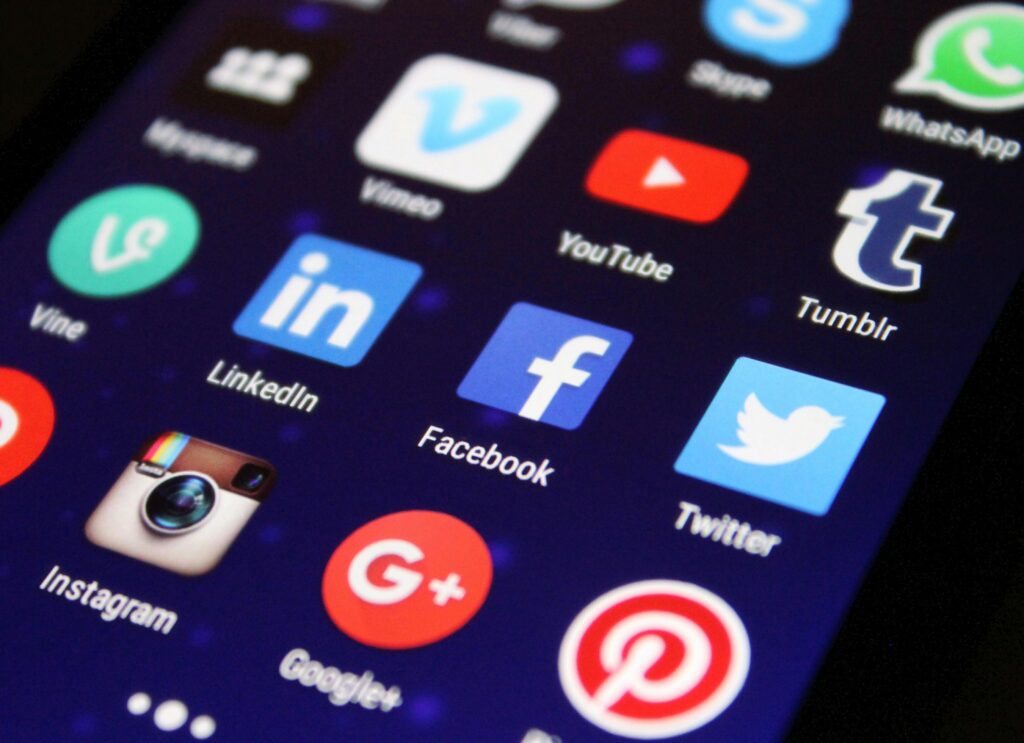
2. Social Media Posts and Ads
Short, catchy, and emotional — these require creativity and cultural sensitivity. The same slogan that works in English may not sound natural in Spanish or Hindi, so you adapt it while keeping its marketing intent.
3. Product Descriptions
Especially for e-commerce websites, these need persuasive, benefit-oriented language that sounds authentic to the local audience.
4. Email Campaigns and Newsletters
The tone here is conversational but professional. Translators must make the reader want to click or take action — whether it’s buying, subscribing, or learning more.
5. Brochures, Catalogs, and Flyers
These are visual materials where space and design matter. The translated text must fit naturally into the layout while keeping the same visual appeal.
6. Blog Articles and Brand Stories
For businesses that publish regular content, translators often work on blog posts or storytelling pieces that build a brand’s reputation internationally.
7. Taglines, Slogans, and Campaign Lines
These often require transcreation because word-for-word translation rarely keeps the same emotional impact.
Why Marketing Translation Is Different from Other Types
Marketing translation is not about literal accuracy; it’s about emotional accuracy.
While technical translation answers questions like “What does this mean?”, marketing translation asks “How does this make the audience feel?”.
A single word can change the perception of a brand.
For example:
- English: “Because you deserve skincare that makes you glow.”
- Spanish: “Porque mereces una piel que irradie confianza.” (Because you deserve skin that radiates confidence.)
The second version keeps the feeling of confidence and beauty rather than just a literal glow — it connects emotionally.
Common Challenges in Marketing Content Translation
Even experienced translators find marketing translation challenging because it combines linguistic skill, creativity, and cultural knowledge. Here are some common challenges we face:
1. Cultural Differences
A joke, color, or expression that works in one country might feel awkward or offensive in another. Translators must know the cultural context deeply.
2. Maintaining Brand Voice
Every brand has a specific tone — friendly, luxurious, professional, or playful. Maintaining that same tone in another language requires practice and attention to detail.
3. Character and Space Limits
In digital assets like banners, headlines, or Google Ads, space is limited. Some languages, like Spanish or German, use more words than English, so translators must stay concise without losing meaning.
4. SEO and Keyword Challenges
Keywords are rarely universal. Translators must find local keywords that people actually search for in the target language.
5. Emotional Consistency
Marketing relies heavily on emotion. A translation might be accurate but sound flat. Keeping the energy and rhythm of the original message is essential.
How to Overcome These Challenges
Here’s how I personally handle these difficulties when translating marketing content:
1. Understand the Target Culture
Before translating, I spend time researching the culture, common expressions, and marketing tone of the target country. It helps me make the text feel “local.”
2. Focus on Meaning, Not Words
I always begin by identifying the core message — what the brand is truly saying. Then I rewrite the text in a natural and persuasive way instead of following a strict literal translation.
3. Maintain the Brand Voice
I study the brand’s previous materials, social media tone, and design style to ensure my translation sounds like them. Consistency builds brand trust.
4. Optimize for SEO
For digital marketing content, I use tools like Google Keyword Planner or Ahrefs to find equivalent keywords in the target language. This keeps the content visible and searchable.
5. Review as a Reader
After translating, I read the text from a customer’s perspective:
Does it sound natural?
Does it make me want to click or buy?
Does it evoke the same feeling as the original?
If not, I refine it until it does.
My Process for Translating Business Marketing Content
Here’s a simple look into my workflow:
- Understand the Brand: Read the brief, target audience, and tone.
- Analyze the Message: Identify emotions and the key selling point.
- Translate Creatively: Recreate sentences to fit the culture and rhythm.
- Adapt Keywords: Research equivalent SEO terms in the target language.
- Check Flow and Tone: Ensure the translation feels smooth and natural.
- Final Review: Compare both versions to confirm emotional and persuasive consistency.
For instance:
Original: “Unleash your potential with our fitness app.”
Spanish version: “Libera tu potencial con nuestra app de fitness.”
The translation is short, dynamic, and motivational — just like the original.
Mini Checklist for Marketing Translators
✅ Read and understand the brand’s personality.
✅ Identify emotions and target audience.
✅ Adapt slogans, idioms, and humor culturally.
✅ Use region-specific SEO keywords.
✅ Maintain tone, style, and CTA strength.
✅ Always read your translation like a potential customer.
Final Thoughts
Marketing content translation is one of the most rewarding areas of business translation because it allows translators to mix linguistic skill with creativity. It’s not only about accuracy — it’s about connection, persuasion, and culture.
Every word has the power to build trust, inspire emotion, and encourage action. When done right, marketing translation turns global communication into something deeply personal.
As translators, our goal is simple:
To make people from different languages feel the same message in their hearts.
Contact Me
Need help translating your marketing or business content?
I offer professional translation and localization services in English, Spanish, and Hindi.
Get in touch: info@lexoratranslation.com
Pingback: Marketing Translation and Storytelling for Global Brands